
About this book
Selected Works of Mao Zedong is an anthology of Mao Zedong’s treatises, reports, speeches, telegrams and letters written between the first and third revolutionary civil wars (1925–1949), arranged in chronological order and divided into four volumes.
This reading edition is based on the received base texts held in the open Chinese archive (the Chinese collection at marxists.org); it reproduces in full the 162 standard readings and omits six unexpurgated variant texts so that they do not duplicate the standard editions.
The four volumes correspond to four historical periods: the first and second revolutionary civil wars, the War of Resistance against Japan (in two parts), and the third revolutionary civil war (the War of Liberation). Each piece is dated by its original composition or publication, so the revolution can be read chronologically.
This site is a reading edition of historical documents, written in a historiographic register: description, quotation and dating — it does not speak for the documents, nor does it praise or blame present-day positions. Every quotation matches the source edition verbatim.
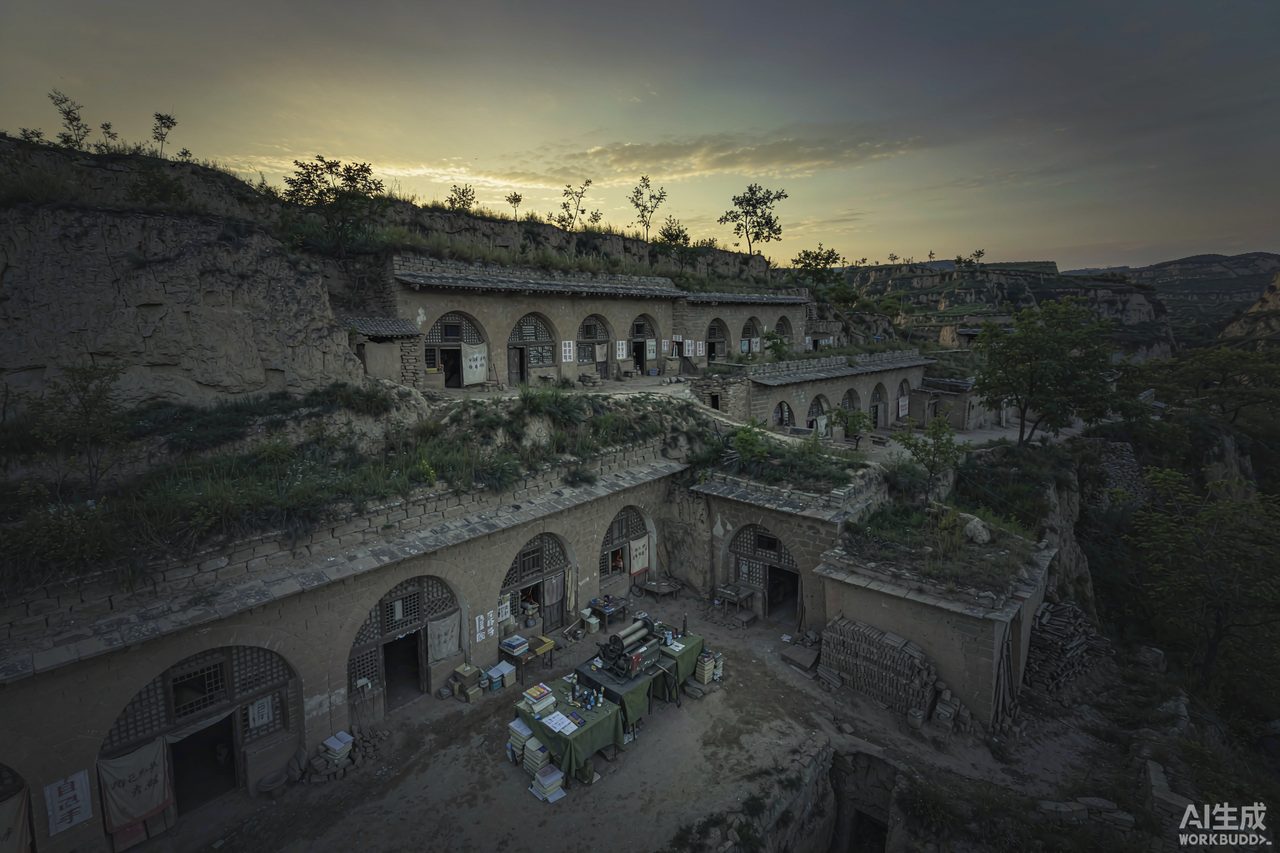
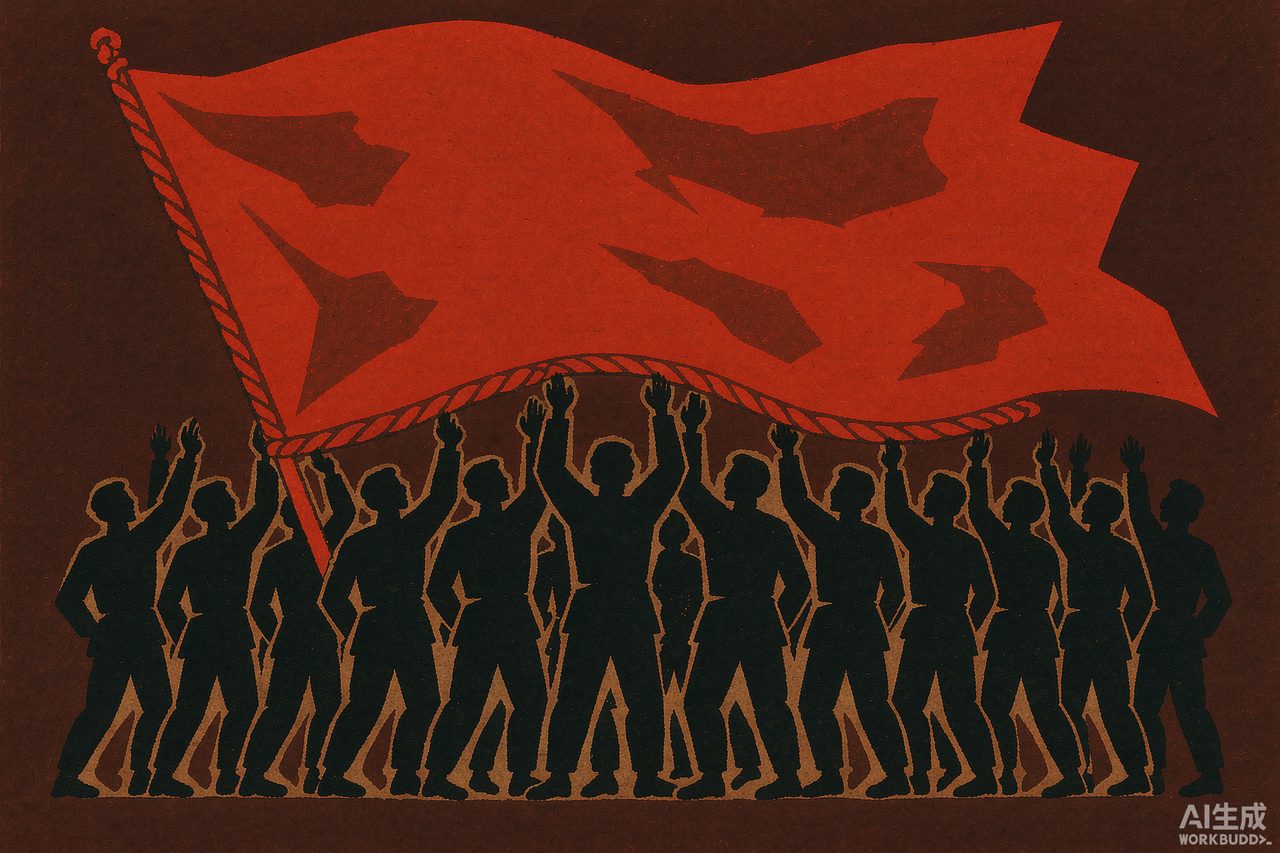
The site offers two aids — glosses and background notes; all imagery is symbolic of the period, not realistic portraiture of particular individuals.
Four-volume guide
Click any slice to jump to that volume’s chaptersFind X → read X
Jump straight to chapters and the theme page by topicWant to read about “Military strategy and revolutionary war”?
War, strategy, and the dialectic of 'protraction'
Want to read about “Party building and rectification”?
Building the Party ideologically: rectification and 'seek truth from facts'
Want to read about “United front”?
Unite all forces that can be united
Want to read about “Peasants, land and class analysis”?
Peasants, land and class analysis
Want to read about “New democracy and state-building”?
From New Democracy to the blueprint for state-building
Want to read about “Art, ideology and the method of thought”?
Philosophical method, art and thought
Three Military Essays · a thematic reader
The three signature military essays of this collectionThe three may also be read as a standalone unit: from the overall strategy of China's revolutionary war, to the concrete guidelines for guerrilla war, and on to the systematic argument for a protracted war of resistance against Japan.
Notable lines
Quotations match the source edition verbatimOur Communist Party and the Eighth Route and New Fourth Armies led by our Party are battalions of the revolution.
— “Serve the People”
What kind of spirit is this that makes a foreigner selflessly adopt the cause of the Chinese people's liberation as his own?
— “In Memory of Norman Bethune”
This congress is a model of unity, of self-criticism and of inner-Party democracy.
— “The Foolish Old Man Who Removed the Mountains”
The people of the whole world are attentively following this war, which has no precedent in the history of the East, and which will go down as a great war in world history too.
— “On Protracted War”
If you want to know the theory and methods of revolution, you must take part in revolution.
— “On Practice”
Who are our enemies? Who are our friends? This is a question of the first importance for the revolution.
— “Analysis of the Classes in Chinese Society”
Three ways to read
Read in chapter order
Read by theme
Read by people
Chapter preview
View all 162 chapters →People
All people →Themes
All themes →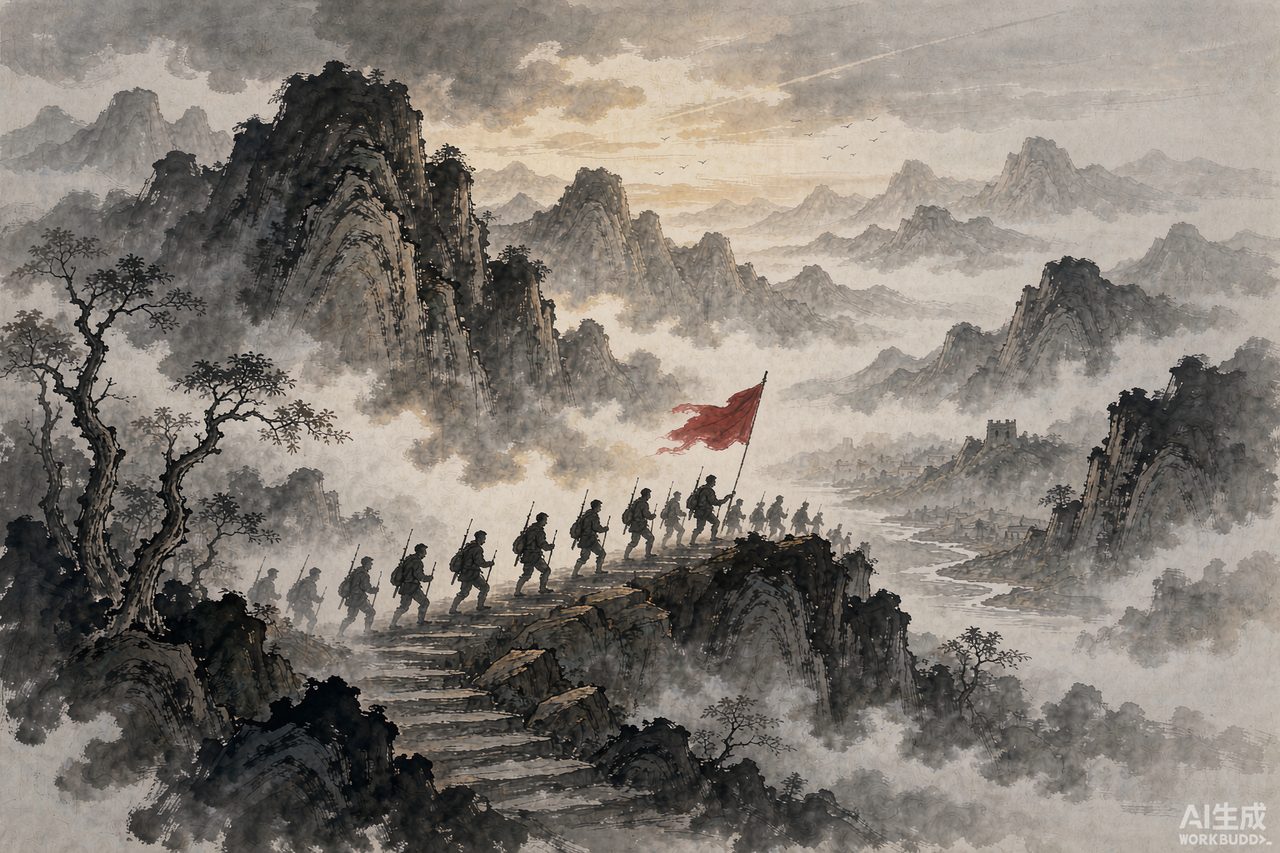
Military strategy and revolutionary war
From guerrilla to mobile war, from defence to offence — the conception of war, strategic initiative, and the dialectic of 'protraction'.
Party building and rectification
Building the Party ideologically and in work style, and 'seek truth from facts' — a body of writing on how an organisation keeps internal unity and its capacity to act.
United front
Unite all forces that can be united — the evolution of tactics from the Anti-Japanese united front to the people's democratic united front.
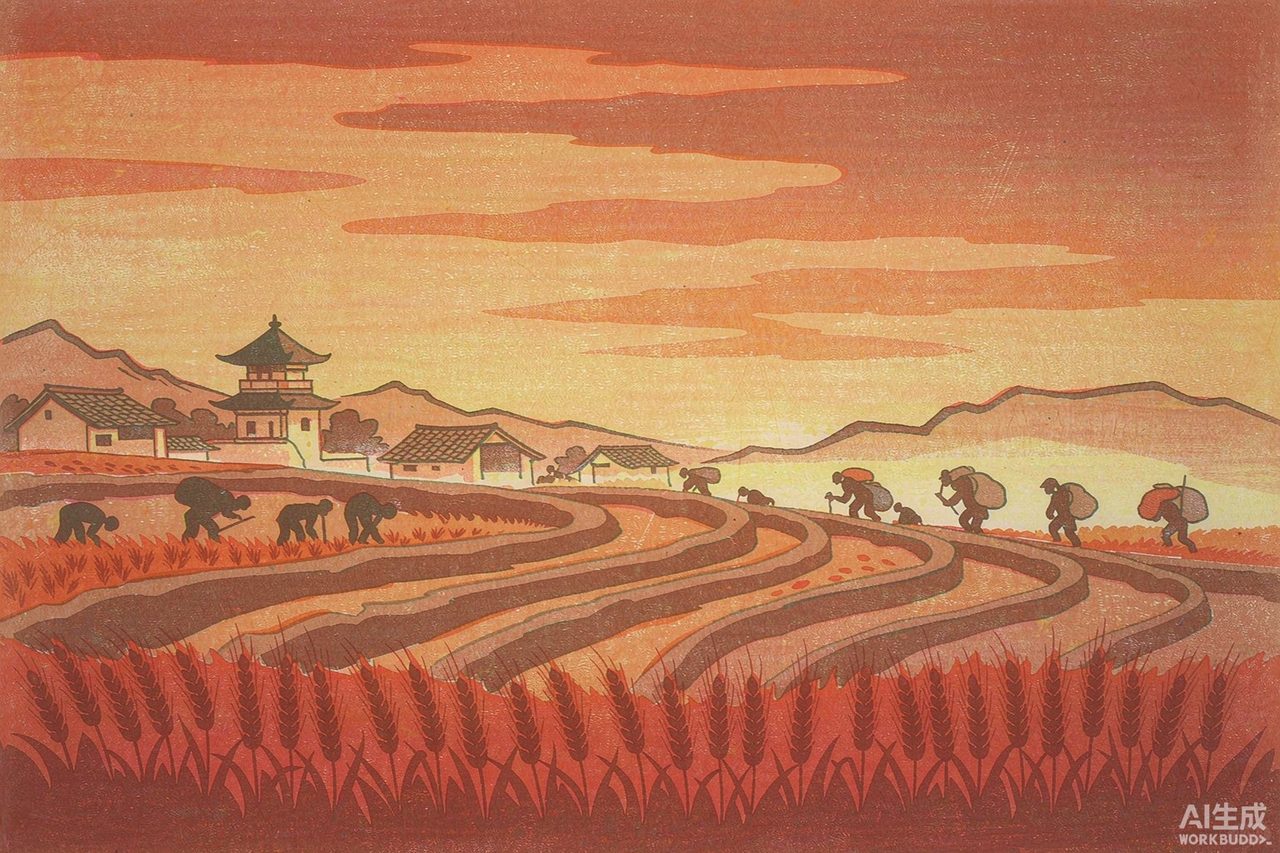
Peasants, land and class analysis
The peasant question is the fundamental question of the Chinese revolution — the methodology of class analysis and the transformation of the land system.

New democracy and state-building
From the theory of New Democracy to the people's democratic dictatorship — a systematic account of 'state-building'.
Art, ideology and the method of thought
From On Practice and On Contradiction to the Yan'an Forum — a unified statement of worldview, methodology and cultural policy.